
Health Care

Malaria or Typhoid? Why Treating Yourself is a Dangerous Gamble

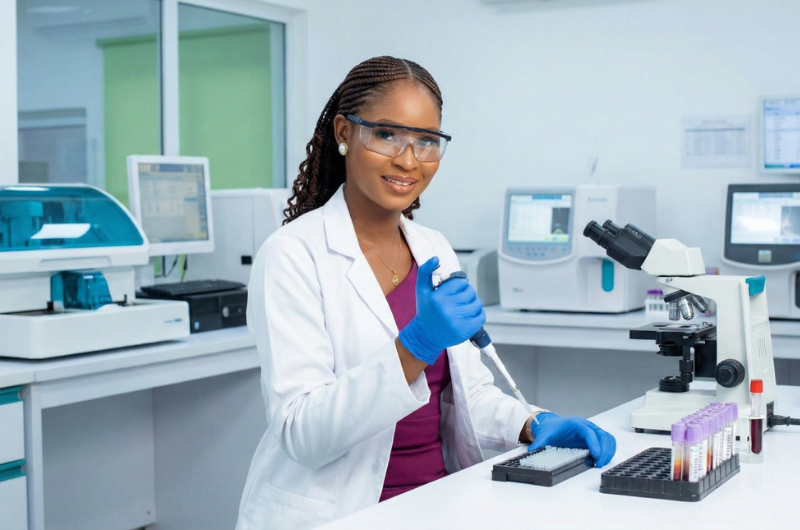
Treating the wrong illness doesn’t just waste money—it allows the real infection to grow stronger. Malaria and Typhoid fever are two entirely different diseases, yet they are the “twin confusion” of Nigerian healthcare. Because they share similar early symptoms, many patients assume they have one, when they might have the other—or even both. Know the Difference While a blood test is the only way to be 100% sure, understanding the nuances can save your life: The Danger of “Mixing” Drugs Self-medication is a major health crisis. Taking antibiotics for Malaria (which is a parasite) will do nothing but damage your body’s natural defenses. Likewise, taking anti-malarials for Typhoid allows the bacteria to spread to your intestines. Self-medication is a major health crisis. Taking antibiotics for Malaria (which is a parasite) will do nothing but damage your body’s natural defenses. Likewise, taking anti-malarials for Typhoid allows the bacteria to spread to your intestines. At Maryland Healthcare, our laboratory is equipped to differentiate these conditions in under 30 minutes. Don’t gamble with your health. If you have a fever that lasts more than 24 hours, skip the chemist and see a doctor. The right diagnosis is the first step to the right cure.

Malaria or Typhoid? Why Treating Yourself is a Dangerous Gamble Read More »

The Future of Care: Dr. Toochi Ibe on the Rise of Telemedicine

For over 40 years, Maryland Healthcare has been a pillar of physical innovation in Port Harcourt. Today, we are exploring the digital frontier. In a recent research presentation commissioned for our hospital, Dr. Toochi Ibe breaks down the rapid rise of Telemedicine and what it means for the future of patient care in Nigeria. Telemedicine, also known as e-health, is the use of technology to provide healthcare services remotely. It is an innovation that allows patients to consult with doctors, get medical advice, and share test results without physically visiting a hospital. While the concept has been around since the 1990s, the global adoption of telemedicine skyrocketed by 50% in 2020 following the COVID-19 pandemic. Patients realized that virtual care was not just safer—it was often more convenient. Telemedicine in Nigeria: A Growing Reality Dr. Ibe’s research highlights that Nigeria is already seeing a wave of digital health innovation. Pioneering platforms like Mobihealth International (founded by Dr. Funmi Adewara) and others like iWello and CribMD are proving that quality care can be delivered via mobile apps, bridging the gap for underserved communities. Why This Matters for Our Patients According to the report, adopting telemedicine offers distinct advantages for families in Port Harcourt. It is not just about technology; it is about human-centric benefits: Navigating the Challenges We are realistic about the landscape. Dr. Ibe notes that challenges such as infrastructure (electricity and internet access) and data security remain critical hurdles. However, with the government’s growing commitment to healthcare infrastructure and the rise of secure EMR software like Helium Health, the path forward is promising. The goal of telemedicine is to make healthcare more accessible, convenient, and cost-effective for patients, while also improving health outcomes. At Maryland Healthcare, we are actively reviewing these insights to develop our own telemedicine capabilities. Whether through existing platforms or our own future apps, we remain committed to Dr. Ibe’s conclusion: creating a means of communication that provides high-quality, patient-centered care regardless of where you are.

The Future of Care: Dr. Toochi Ibe on the Rise of Telemedicine Read More »